
"African coffee history"
1000 article(s) found

Consistent Angola Fine Coffee Bean Origin History and Culture Introduction
Angola was once one of the world's largest coffee producers, with a record coffee production of 225,000 tons in 1974. But Angola's coffee production fell sharply after a 27-year civil war broke out after independence in 1975. The first batch of Angola coffee exported to the United States-11 tons in total-has arrived in the country, Angola's ambassador to the United States, Agostinho Tavares, told the daily Angola in New York on Monday.

The basic knowledge of Fine Coffee Culture and the History of Coffee
African shepherds discovered strange coffee fruits on the plateau in about 500 AD. Since then, humans have known coffee. Coffee was planted in Arabian Peninsula and used as medicinal and religious feed. Coffee was introduced into Europe from Venice, Italy, in 1554. The colorful European coffee culture began to be born in 1616. Coffee was spread to the Netherlands from the port of Mocha.

Are Yega Sheffield Adordo and Sidamo Coffee in the same country?
In the fifties and sixties of this century, many African countries became independent one after another and adopted green, yellow and red as the colors of the national flag, so they were called pan-African colors. Ethiopia is one of the ancient countries in Africa, with a long history of more than 3000 years, giving green, yellow and red colors deeper roots in this land. Historically, they are closely related to the liturgy of the Coptic church.

The history of coffee development human beings have known coffee ever since.
African shepherds discovered strange coffee fruits on the plateau in about 500 AD. Since then, humans have known coffee. Coffee was planted in Arabian Peninsula and used as medicinal and religious feed. Coffee was introduced into Europe from Venice, Italy, in 1554. The colorful European coffee culture began to be born in 1616. Coffee was spread to the Netherlands from the port of Mocha.

What is the right roasting degree of Rwandan coffee, where Yejasuefi is the successor? Rwandan coffee flavor
For more information on coffee beans, please follow Coffee Workshop (Wechat official account cafe_style) Rwanda Coffee, the most popular African coffee after Kenya and Ethiopia. But unlike the two famous producing countries, it does not have a long history of planting, let alone native varieties everywhere in the wild. This small African country is a fire Phoenix that has been reborn after robbery.

What are the characteristics of Rwandan coffee, a new coffee producing area? How's the coffee from Rwanda?
For more information on coffee beans, please follow Coffee Workshop (Wechat official account cafe_style) Rwanda Coffee, the most popular African coffee after Kenya and Ethiopia. But unlike the two famous producing countries, it does not have a long history of planting, let alone native varieties everywhere in the wild. This small African country is a fire Phoenix that has been reborn after robbery. Lou
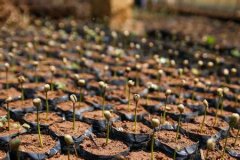
A brief introduction to the history and culture of the origin and development of Ugandan boutique coffee with mild and simple taste
Mbale on the eastern side of Mount Elgon and other producing areas on the western side near the border of the Democratic Republic of the Congo have the export name Wugar. The official ranks are Oaganic (Organic), Bugisu AA, Bugisu A, Bugisu B, Bugisu PB, Wugar, Drugar and other unlisted grades. To find a good Ugandan coffee, you must first recognize BugisuAA and A.

Planting history of variety treatment for flavor description of coffee beans in Kenya
Professional baristas exchange please pay attention to the coffee workshop (Wechat official account cafe_style) flavor and taste characteristics: full-bodied aroma, balanced acidity. Coffee is a part of life in Africa, whether in the depths of the most remote East African Rift Valley, or in the Maasai nomadic Masai Mara prairie, whether urban or rural, you can always smell coffee and go looking for fragrance, stay and taste.

The unique flavor of Sidamo Coffee Manor. Introduction to Ted Manor.
Ethiopia is rectangular, with a ratio of length to width of 3:2. From top to bottom, it is composed of green, yellow and red parallel equal horizontal rectangles, with the national emblem in the middle of the flag. Since the end of the 19th century, Ethiopia began to use the green, yellow and red cross-striped national flag. In modern history, Ethiopia is the first African country to join the forest of free nations. [8] to this century

Introduction of African Ugandan Coffee introduction to the characteristics of African Ugandan Coffee producing areas
For the exchange of professional baristas, please pay attention to the coffee workshop (Wechat official account cafe_style) Bolivian coffee: Bolivian coffee has the advantages of high altitude and excellent coffee varieties, where the traditional Tibica and a small amount of Kaddura are highly valued on the world market. In the past, coffee trees in Bolivia used to act as hedges and ornaments around the garden.

A brief introduction to the history and culture of the origin and development of high-acidity Angolan boutique coffee beans
The origin of coffee in Angola: 98% of the coffee in Angola (Angola) is Roberts coffee. The best brands in Angola used to be Ambriz, Amborm and NovoRedondo, all of which are known for their consistent quality. Angola was once one of the largest coffee producers in the world, with coffee production reaching a record 22.5 in 1974

A brief history of the origin and development of coffee culture
No one knows about the place where coffee was born, and there are different opinions about the origin of coffee. In order to get an accurate answer, coffee experts and botanists investigated coffee and found that Ethiopia in Africa is the hometown of coffee. According to the current investigation, there are still a large number of unknown wild coffee trees in the African rainforest region, whose fruit flavor is unique and received by experts.

A brief history of the origin and development of coffee
No one knows about the place where coffee was born, and there are different opinions about the origin of coffee. In order to get an accurate answer, coffee experts and botanists investigated coffee and found that Ethiopia in Africa is the hometown of coffee. According to the current investigation, there are still a large number of unknown wild coffee trees in the African rainforest region, whose fruit flavor is unique and received by experts.

Delicious Ugandan Coffee Flavor Description Grind Fine Coffee Features Estate Introduction
Ugandan coffee beans have a unique flavor and fragrance, which is very suitable for making Italian and other flavors of coffee. More importantly, Ugandan coffee beans are strictly screened according to international market standards to ensure their high quality and pollution-free characteristics. Africa is home to Arabica and Robusta, two major coffee varieties, while East Africa enjoys a plateau of water and the pearl of East Africa.

A brief introduction to the history and culture of the origin and development of crisp Sidamo G3-flavored coffee beans
The "Guji producing area" is located in the southeast of the Gedeo area where Jega produces snow caffeine, in the wilderness of 2100 meters above sea level, but it is higher than that of the Yega producing area, with the highest elevation of more than 2600 meters, much higher than the average Sidama, and a larger area. The coffee produced by Guji is very rich and unrestrained in flavor, which can challenge the recently favorite SOE (Single Origin) of Yega Chevy.

Introduction to the fresh and bright coffee flavor and taste characteristics of Yega Fischer Manor
Ethiopia is rectangular, with a ratio of length to width of 3:2. From top to bottom, it is composed of green, yellow and red parallel equal horizontal rectangles, with the national emblem in the middle of the flag. Since the end of the 19th century, Ethiopia began to use the green, yellow and red cross-striped national flag. In modern history, Ethiopia is the first African country to join the forest of free nations. [8] to this century

Cultivation of citrus-scented Sidamo Shakiso boutique coffee beans geographical location, climate, altitude is simple
In the fifties and sixties of this century, many African countries became independent one after another and adopted green, yellow and red as the colors of the national flag, so they were called pan-African colors. Ethiopia is one of the ancient countries in Africa, with a long history of more than 3000 years, giving green, yellow and red colors deeper roots in this land. Historically, they are closely related to the liturgy of the Coptic church.

Blueberry Tea Fragrance of Sitama Charkiso Fine Coffee Bean Origin Development History Culture Introduction
Origin: Sidamo Variety: Native Arabica Treatment: Wash Roast: Medium Roast Origin: Sidamo Variety: Native Arabica Treatment: Wash Ethiopia's western highlands have bred new coffee varieties that are resistant to fruit disease or leaf rust. Ethiopia is known for its many coffee types. Some of these masters

South American Coffee History Flavor and taste characteristics of Brazilian Bahia boutique coffee beans
Bahia is one of the 26 states in Brazil and is located in the northeast. It covers an area of 564692 square kilometers, accounting for 6.6 per cent of Brazil's land area. The capital is Salvador. Culture: due to historical reasons, Bahia is the place where Brazil is most influenced by Africa, and it is one of the non-Brazilian cultures.

What are the famous coffee beans in Africa? How do you drink African coffee? What's a good brand of African coffee?
Professional coffee knowledge exchange more coffee bean information please follow the coffee workshop (Wechat official account cafe_style) African coffee is mainly distributed in the East African plateau strip, north of Yemen, Ethiopia, then branches into the seaside Kenya, Tanzania, as well as the heart of Africa three small countries Uganda, Rwanda, Burundi, and finally to the southernmost Malawi, forming thousands